
"Bolivia coffee production"
600 article(s) found

Introduction to the description of the Flavor of Fine Coffee beans in the Coffee Variety producing area of Xuemai Manor in Bolivia
The legal capital, the seat of the Supreme Court, with a population of 284000, 2790 meters above sea level. Founded in 1538, the city was formerly known as Chuquisaka. The city witnessed the first uprising in South America against Spanish rule in 1809. Bolivia declared its independence here in 1825 and became the capital in 1826. In 1839, it was renamed Sucre to commemorate the second president of Bolivia, General Antonio Jos é Sucre.

A brief introduction to the description of taste and aroma characteristics of Bolivian boutique coffee beans with rich sour taste
The aroma of Bolivian coffee is rich and unique, both the aroma of ground beans and the aroma of coffee produced are obviously strong, similar to the mixture of flower and fruit aroma. Impressive coffee in Bolivia really began to be commercially produced in the 1950s (at first coffee trees were only planted around the house as a fence), but the coffee industry developed in a very short time.

Introduction to the method of regional variety treatment for the grinding scale of Bolivian coffee beans with sweet caramel
In the past, coffee trees in Bolivia used to act as hedges and ornaments around the garden. Real commercial production began in the early 1950s. The coffee industry in Brazil was seriously damaged by the great frost in 1975, while Bolivia (Bolivia) benefited from it and developed rapidly. The origin of Bolivian coffee: Bolivian coffee at an altitude of 180 Muhami 670 meters.

Introduction to the roasting degree of high-quality coffee beans in Bolivia
The advantage of Bolivian coffee lies in its high altitude and excellent varieties of coffee, where the traditional Tibica and a small amount of Kaddura are highly valued in the world market. In the past, coffee trees in Bolivia used to act as hedges and ornaments around the garden. Real commercial production began in the early 1950s. The great frost in 1957 seriously damaged Pakistan.

The delicacy of paradise that can only be obtained through the death road-Bolivian coffee beans
Professional baristas Please follow the coffee workshop (official Wechat account cafe_style) if you want to talk about the paradise of coffee bean growth, it is Bolivia. This producing area can be regarded as one of the most recommended boutique coffee producing areas. Most of the coffee beans in this producing area are a little sweet and very pleasing, but the number of coffee beans is very small. This is in Central and South America.

Boutique coffee bean producing countries introduce Bolivia
From serving as a garden hedge to coffee grown exclusively on the manor, coffee trees in Bolivia used to be planted around the garden as hedges, decorating flowers and trees. Real commercial production began in the early 1950s. The coffee industry in Brazil was badly damaged by the great frost in 1957, while Bolivia (Bolivia) benefited and developed rapidly. Bolivian coffee

Lake Titicaca in Bolivia, washing iron, Bica boutique coffee beans, grindability, baking degree.
Roaster name: Dazhen Coffee Qianjie Cafe location: Guangzhou Baoqian Street 10 manufacturer contact information: 38364473 ingredients Table: own baking shelf life: 90 net content: 227g Packaging: bulk coffee beans ripe degree: whether coffee beans contain sugar: sugar-free origin: Bolivia roasting degree: moderate Lake Titicaca Copacabana countries: Bolivia

The Soul of Andes on the Roof of the World-- the tomorrow Sun Project of Bolivia
[preface] We have new beans! After several rounds of cup testing and hand flushing, the curve of [Bolivia] was finally determined. What kind of beans is [Bolivia]? Bolivia is one of the poorest countries in Latin America, a landlocked country bordering Brazil and Colombia. Although it is a country with great potential for coffee export, its output is one.

Bolivian boutique coffee
Bolivia in the past coffee trees in Bolivia used to act as hedges and ornaments around the garden. Real commercial production began in the early 1950s. The coffee industry in Brazil was badly damaged by the great frost in 1957, while Bolivia (Bolivia) benefited and developed rapidly. Bolivian coffee is grown at an altitude of 180,670 meters above sea level.

Bolivian coffee grinding method Variety characteristics Production area of fine coffee beans Introduction
Presidential elections were held on 18 December 2005. Evo Morales, leader of the Aymara Indian Movement for Socialism in Bolivia, won the election with 53.75% of the vote and took office on January 22, 2006. He became the first Native American president of Bolivia and the first leftist president of Bolivia. It began with progressive communal socialism (Indian socialism).
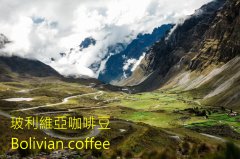
The Soul of Andes from the Roof of the World description of the flavor and flavor of Bolivian coffee beans
For the exchange of professional baristas, please follow the coffee workshop (Wechat official account cafe_style) the Soul of Andes from the roof of the world Bolivia ◇ Yungas Caranavi Bolinda Finca Don Carlos Peaberry Yonggas Karana than Don Carlos Manor perfume Queen Pearl beans 1600-1650m Bolivia Don Carlos Manor Perfume Queen Pearl Round Bean Coffee

Citrus sour Bolivian Coffee Manor Snow vein Manor planting situation Climate altitude brief introduction
The early Bolivian coffee was of low quality and the market was very poor. Usually the picked coffee fruit is bumped all the way to the processing plant after a simple peeling treatment. Due to the imperfect infrastructure, the traffic is underdeveloped. Coffee farmers have to overcome the rugged mountain road and transport the beans to the higher altitude area of La Paz for washing. If the coffee fruit can not be delivered to the processing in time

Bolivia Coffee Bean Manor introduces Bolivia
Takesi Manor, drinking water and coffee after harvest treatment, using alpine melting cold snow landscape, so we give her a nickname: Takesi Snow vein Manor; in addition to low temperature, pollution-free environment, fertile and well-drained volcanic soil, is also an element of coffee flavor, although the owner of Agrotakesi SA is rich, but deep respect for nature and the way to get along, but

Classification, price, raw beans and roasting degree of iron-washed Bica coffee beans in Lake Titicaca, Bolivia
For the exchange of professional baristas, please pay attention to the coffee workshop (Wechat official account cafe_style) Bolivian coffee is rich and unique, both the aroma of ground beans and the aroma of the coffee are obviously rich, similar to the mixture of flower and fruit aromas, impressive. The acidity is medium and low, but the feeling is not monotonous, but calm and generous, soft and clear.

Characteristics of Bolivian coffee beans Bolivian coffee drinking method
Professional barista exchanges please follow the coffee workshop (Wechat official account cafe_style) Lake Titicaca Copacabana country: Bolivia altitude: 3812m production area: Lake Titicaca roasting degree: moderate baking treatment: washed Lake Titicaca is located on the Coao Plateau on the border between Bolivia and Peru, is the highest and largest light in South America

Characteristic Information and Flavor description of Bolivian Coffee Bean
Professional barista exchanges please follow the coffee workshop (Wechat official account cafe_style) Lake Titicaca Copacabana country: Bolivia altitude: 3812m production area: Lake Titicaca roasting degree: moderate baking treatment: washed Lake Titicaca is located on the Coao Plateau on the border between Bolivia and Peru, is the highest and largest light in South America
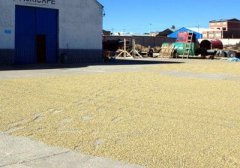
Lake Titicaca, Bolivia, small farmers, water washed, iron pica, fine coffee beans, freshly roasted, freshly ground.
Name: Dazhen Coffee Front Street Cafe Address: No.10 Baoanqian Street, Guangzhou City Factory Contact: 020-38364473 Ingredients List: Self-baked Shelf Life: 90 Net Content: 227g Packaging Method: Bulk Coffee Bean Ripe Degree: Coffee Ripe Bean Sugar Free Origin: Bolivia Roasting Degree: Moderately Roasted Lake Titicaca Copacabana Country: Bolivia

Introduction to the Flavor and Taste of High-quality Coffee Bean Manor
In 1863, rich saltpetre deposits were discovered in Atacama province along the Pacific coast. In 1879, Chile sent troops to occupy the mining area, and Bolivia joined forces with Peru to wage the Pacific War with Chile. Bolivia was defeated in 1883 and ceded the saltpeter-rich Pacific coast to Chile in 1904. Bolivia lost its only coastal province, including the important port of Antofagasta, from

Introduction to the coffee flavor and taste characteristics of Bolivia snow vein manor with rich and unique aroma
Bolivia is 1/3 of the Andean mountains, rugged terrain, mainly road transport, accounting for more than 85% of transportation. The main railway and road networks are concentrated in the west, and remote areas rely on air communication. But road coverage is the lowest in South America. And there is also the Ronggas Highway, the world's first insurance road known as the road to death. There is no developed economy here. It is the poorest in South America.
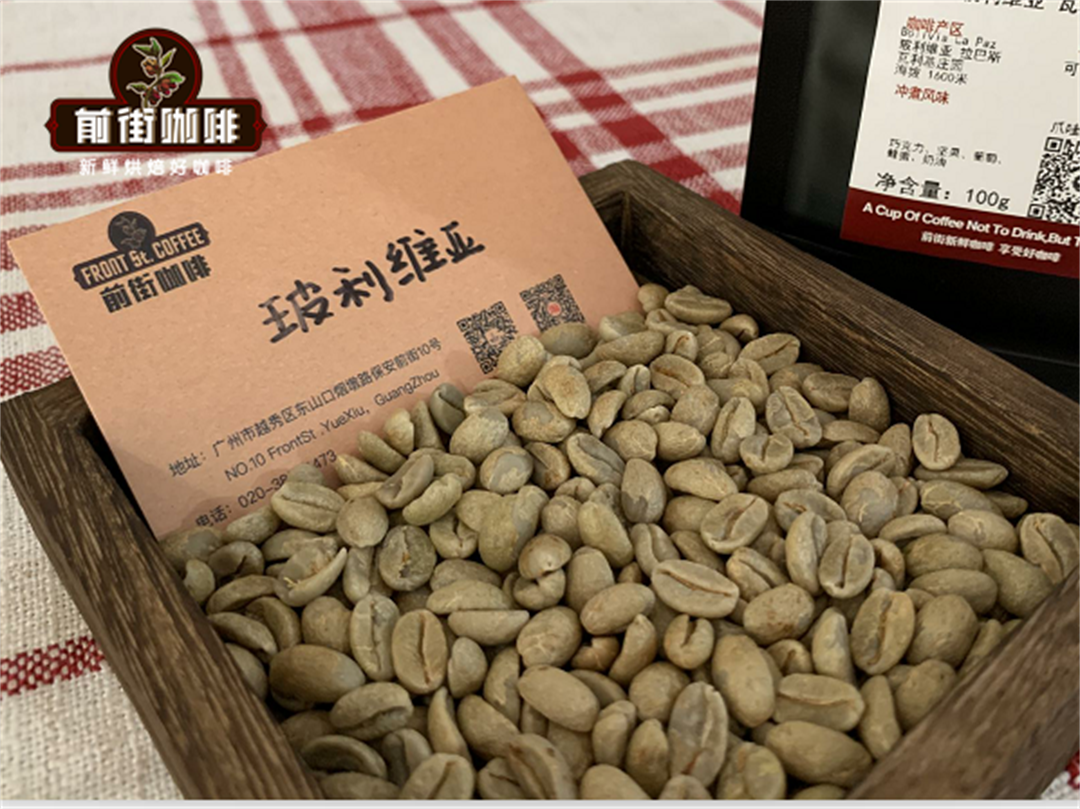
Bolivia Arachitas Estate Cocoa Sun-baked Kadura Coffee Flavor Characteristics
Bolivian coffee is just beginning to make a name for itself in the world of specialty coffee. Once considered a producer of low-quality coffee, suited only to blend roasts, Bolivia is struggling to change its image, one bean at a time. In Bolivia, fine coffee is grown at altitudes of 1,200 to 2,000 meters above sea level, mainly (